By Lynette Stokes December 19, 2025
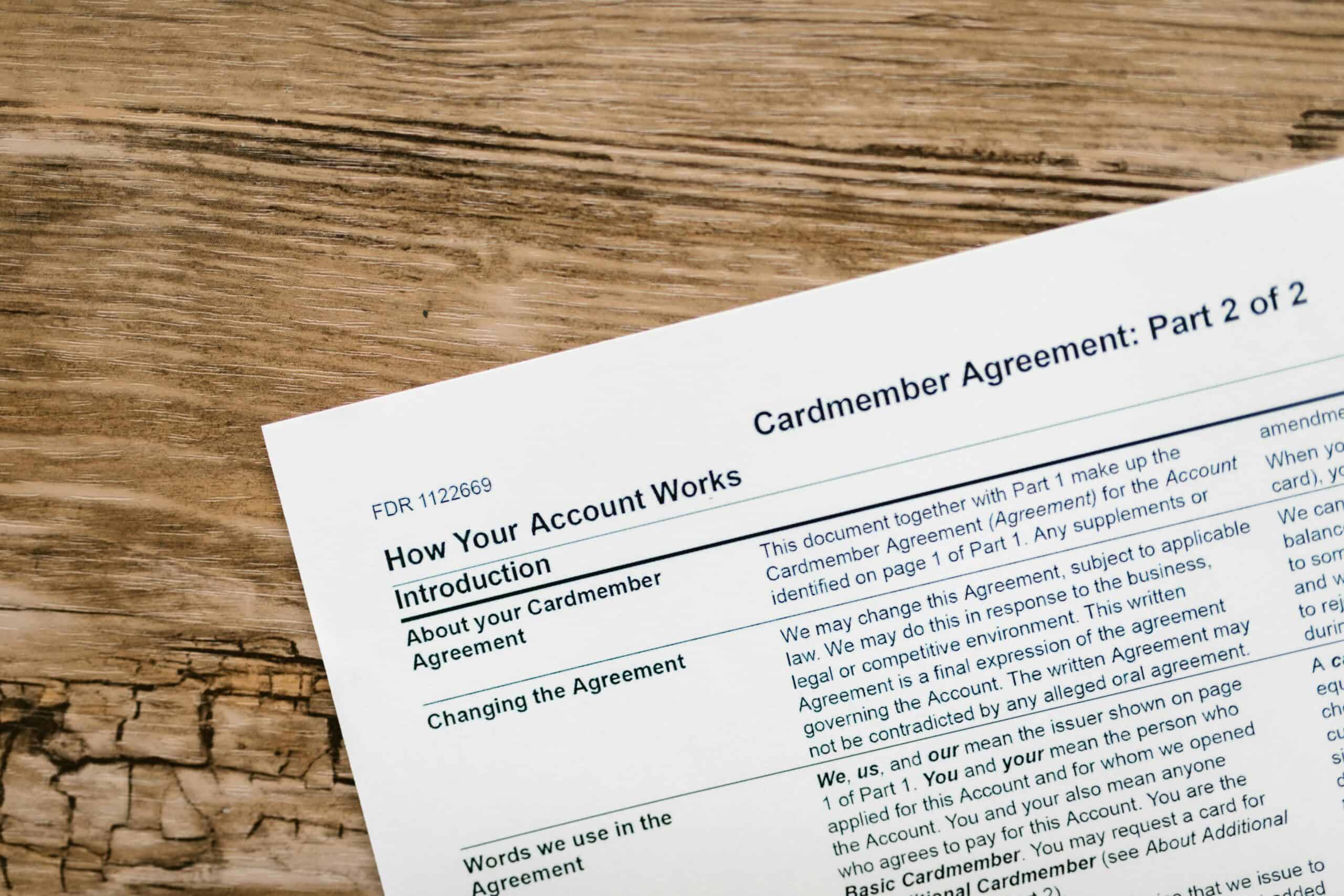
As businesses and consumers become more reliant on technology, tech support agreements are now a standard aspect of normal business. These contracts provide assurance that systems will run smoothly and problems will be addressed quickly, making them vital for productivity and peace of mind. However, disputes in tech support agreements are all too common, often arising from issues like unclear service scope, hidden fees, or vague payment obligations.
One of the top friction points is payment terms. When those points, such as billing cycles, payment methods and late fee policies, are not made explicit in the wording of the document, misunderstandings can result. Confusion like this can result in dissatisfied customers, late payments or worse chargebacks: all of which undermine confidence and disrupt cash. For providers, trying to count on inconsistent or manual billing processes only stacks the risk.
By clearly defining payment terms at the start, tech support companies can avoid these issues. Clearcut contracts outlining the costs, schedules and who is responsible allow clients to know precisely what they’re paying for and when. Today’s tech, which includes automated invoicing via payment processor, also does a lot to cut down on errors and clarify collections. In the end, good payment terms don’t just reduce disputes, they help solidify client relationships and lead to sustainable revenue growth. Let us understand how.
Understanding Tech Support Agreements

Tech support agreements are legal, binding documents that define the terms under which technology services will be rendered and remunerated. Such agreements can be of various types depending upon client requirements. Some businesses prefer retainer-based models, which guarantee a set number of support hours each month. Others opt for hourly billing, where charges depend on actual time spent resolving issues. Subscription and managed services contracts are increasingly popular offering continued system support and monitoring for a regular monthly fee.
Common elements in most agreements, regardless of format. These generally detail the statement of work–what’s in and what’s out–and service level agreements (SLAs) that specify response time, resolution expectations. They also outline how such support will be provided, listing phone, email or on-site visits as support channels.
Payment terms are the central of those factors. They specify the payment schedule, that is, how and when payments should be made, what methods are acceptable and if there are penalties to you for paying late or missing a payment. But this is where confusion often sets in. Small and midsize businesses — and individual consumers might not understand all the obligations that come with complex tech services. Confusion about recurring billing cycles, hidden fees, or overtime charges frequently leads to disputes.
When payment terms in the tech support agreements are not well-defined from the outset, clients may feel bills as unfair or surprising. This highlights why transparent, well-drafted agreements are essential for preventing payment disputes and protecting both parties’ interests.
Common Sources of Disputes in Tech Support Contracts
Ambiguity in tech support contracts is a common cause of contract disputes. One of the biggest stumbles is the pricing structure. Hourly billing is used in some contracts, while others have flat-rate or subscription pricing. Lack of transparency around pricing structures can cause confusion with clients who do not understand why they’re being charged and end up disputing invoices, causing payment delays.
Another common cause for disagreement is a lack of definition around “included” versus “billable” services. For instance, a contract may not clearly define what comes with software updates, troubleshooting from afar or replacement hardware. Without this clarity, clients may be surprised by additional charges, generating dissatisfaction and disputes.
Vague billing cycles and due dates also contribute to conflict. If clients are uncertain about when invoices will be issued or when payments are due, late payments and misunderstandings become more likely. Besides hidden or surprise fees like charges for after-hours service calls, emergency support, or expedited fixes can also cause challenges.
Disputes in tech support agreements can also result from unclear cancellation or refund policies. In the absence of clear processes, clients will assume that they are entitled to different terms than those specified in your agreement, which can leave you with disputed payments or a written complaint.
These misunderstandings can turn into disputes about payment and even into chargebacks, especially if a client feels that he was billed incorrectly. Tech support companies that address these typical risks upfront with clear tech support agreements and payment terms often avoid most of the disputes, building more long-term client relationships.
Why Clear Payment Terms Matter?
Transparent payment terms in the tech support agreements are the foundation of tech support provider and client relationships. They make the payments process clear by establishing upfront costs, billing periods, accepted forms of payment, and charges for late payments. By being specific about what the client is purchasing and when payment is expected, there are fewer opportunities for misunderstandings.
For the providers as well, defined payment terms are crucial for protecting cash flow. Predictable payment terms minimizes long receivables and allows the operator to have the funds to process payroll, buy equipment or purchase materials. This kind of stability is especially crucial for tech support businesses, whose ability to provide prompt service is typically contingent on cash flow.

Disputes and chargebacks are another risk that clear payment terms help mitigate. When terms are vague, clients may dispute charges, claim unauthorized billing, or withhold payments. Transparent tech support agreements reduce these risks by making obligations explicit, giving both parties a clear reference point in case of disagreements.
Clear payment terms also contribute to long-term client loyalty. Clients who feel confident in their agreements are more likely to continue the relationship, trust the provider’s professionalism, and recommend their services. This trust becomes a competitive advantage in the tech support industry.
Finally, clear payment terms support compliance and protect providers from regulatory or contractual misunderstandings. Well-defined terms ensure both parties are aligned with relevant laws, contractual obligations, and industry best practices, minimizing legal risks.
Key Elements of Effective Payment Terms
Let us now understand what constitutes effective payment terms in tech support agreements:
Pricing Structure
Include specific terms and conditions for billing, e.g. payable hourly, per incident, monthly retainer or a combination of all of these. Quote regular pricing along with any premiums for overtime or emergency support. This eliminates confusion, and makes sure that clients know exactly what they’re paying for.
Billing Cycle & Due Dates
Define your billing pattern and payment terms in the tech support agreements. Whatever the billing structure, whether it’s monthly, at the end of services or by milestone— ensure that a timeline exists and is clear. This clarity also helps clients to manage their budgets and avoid down-the-road delays that might blow apart cash flow.
Late Payment Penalties & Incentives
You can encourage customers to pay on time by explaining potential consequences in case of late payments like late payment fees or interest. On the other side of the coin, when providers offer incentives like discounts for prompt payment, it can encourage clients to make timely payments and improve cash flow as well as client relationships.
Refund & Cancellation Policies
Define situations where refunds are available or how contracts may be terminated. This is an overall win-win for the provider, as well as the client as it reduces problems by educating all parties on what happens if they terminate early or are unhappy with services.
Scope of Service
Be thorough in the tech support agreements about what is included in the fee and then how the contractor charges for add-ons. This also helps to eliminate any confusion on service coverage and reduces arguments about unplanned expenses. For example, state if it includes software updates, on-site visits or other troubleshooting.
Payment Methods
Include acceptable payments, which can be ACH transfers, credit cards, digital wallets or whatever else is acceptable. This can be important for clients to plan ahead of time for payment and this also minimizes any further delay with unclear payments.

Dispute Resolution Process
Define the steps a client must follow before initiating a chargeback. Offering a straightforward way to resolve billing issues offers a defined dispute process in place, reduces chargebacks and removes the risk from unnecessary deductions.
When these key items are part of tech support agreements, providers get transparency, preserve cash flows and enhance client relations.
Using Payment Processors and Automation for Clarity
Modern payment gateways are instrumental in helping merchants establish clear payment terms in tech support agreements by simplifying their billing processes and increasing transparency. Automated billing software solutions simplify the process of recurring charges, tracking payments, and sending reminders for tech support providers, especially those providing ongoing services.
Automatic transparent invoicing applications generate invoices that record each service rendered, listing them specifically so clients can clearly see what they are being billed for. Such visibility minimizes miscommunication, promotes trust in that clients can actually observe the work performed and associated costs. It also serves to avoid disputes and chargebacks by documenting what services have been agreed upon.
The fact that clients can receive real-time receipts and transaction histories adds extra confidence. If consumers obtain access to payment information immediately, there will be less reason for them to dispute charges and the provider can prove that contractual terms have been met for payment. This promotes a more robust provider–client relationship that is clear and trusting.
Automation also helps in the prevention of human error in billing. The manual process of invoicing is error prone, for example posting the wrong amounts to missed charges or late invoices; and these errors start causing disputes. Providers can use technology, rounded up by hand, to ensure accuracy and free staff time for higher-level tasks.
A few specialized SaaS tools and platforms have been created to meet tech support billing needs, which connect directly with payment processors. Softwares such as FreshBooks, QuickBooks, or Zoho Invoice enable therapists to automate their billing process, keep track of service hours and provide comprehensive invoices.
By taking advantage of payment processors and automation to get it right, tech support companies can create billing transparency for increased client confidence, dependable regular income — and minimize the chance of disputes. Hence, besides clear payment terms in tech support agreements, payment processors can also greatly help with getting clarity.
Communicating Payment Terms Effectively

Clearly outlining payment terms in tech support agreements is important to both avoid disputes and foster confidence. Talking about payment terms ahead of time — before the contract gets signed — is guaranteed to take away any confusion later on. This proactive approach creates confidence and enhances client relationships.
Using plain language is critical. Using overly technical or legalistic language in payment terms can also be confusing for customers, leading to misunderstandings. Terms, instead, should be in plain language that is readily understood by non-experts. Hence, your aim should be to improve understanding and justify the professional standing of the provider.
Having it written is a second best practice. Contracts, invoices and email confirmations are physical touch points that clients can consult if they have any questions. This will include pricing, billing frequency, payment options and details of any fines for late payment.
It is also important to train sales people and support agents to clearly explain billing terms. Staff must be able to confidently discuss terms of payment, answer questions from customers, and lead them to specific sections in contracts or on invoices.
Developing a FAQ or client manual specifically for billing questions can also increase clarity. This resource gives customers an at-a-glance reference for common payment questions, which helps reduce confusion and leave customers happy.
By ensuring that payment terms are stated clearly and repeatedly throughout their business communications including tech support agreements, tech support providers can mitigate disputes, increase collections speed and develop longer-lasting client relationships.
Conclusion
Clear payment terms are more than just a contractual formality—they are a strategic tool that protects both tech support providers and their clients. By defining pricing structures, billing cycles, late payment policies, and dispute resolution processes, providers can prevent misunderstandings, disputes, and chargebacks. These terms also ensure predictable cash flow, strengthen client relationships, and enhance trust.
For tech support agreements, where services can be complex and ongoing, clarity is especially important. Using plain language, providing written documentation, and communicating terms upfront reduces friction and fosters stronger partnerships. Leveraging payment processors and automation tools further enhances transparency, streamlines billing, and minimizes human error.
FAQs
1. What are clear payment terms in tech support agreements?
Clear payment terms define pricing, billing cycles, payment methods, penalties, and dispute resolution in simple, transparent language to avoid misunderstandings.
2. How do unclear payment terms lead to disputes?
Vague terms about pricing, billing cycles, and service scope can cause confusion, resulting in disputes, late payments, or chargebacks.
3. How can payment processors help clarify payment terms?
Modern payment processors automate billing, send detailed invoices, and track payments, reducing errors and ensuring transparency for clients.
4. Why is communication of payment terms important?
Discussing and documenting payment terms upfront builds trust, reduces disputes, and creates a clear reference point in case of disagreements.
5. What is a good practice for preventing billing disputes?
Using plain language, providing written documentation, training staff, and offering clear FAQs help clients understand payment obligations and prevent confusion.